

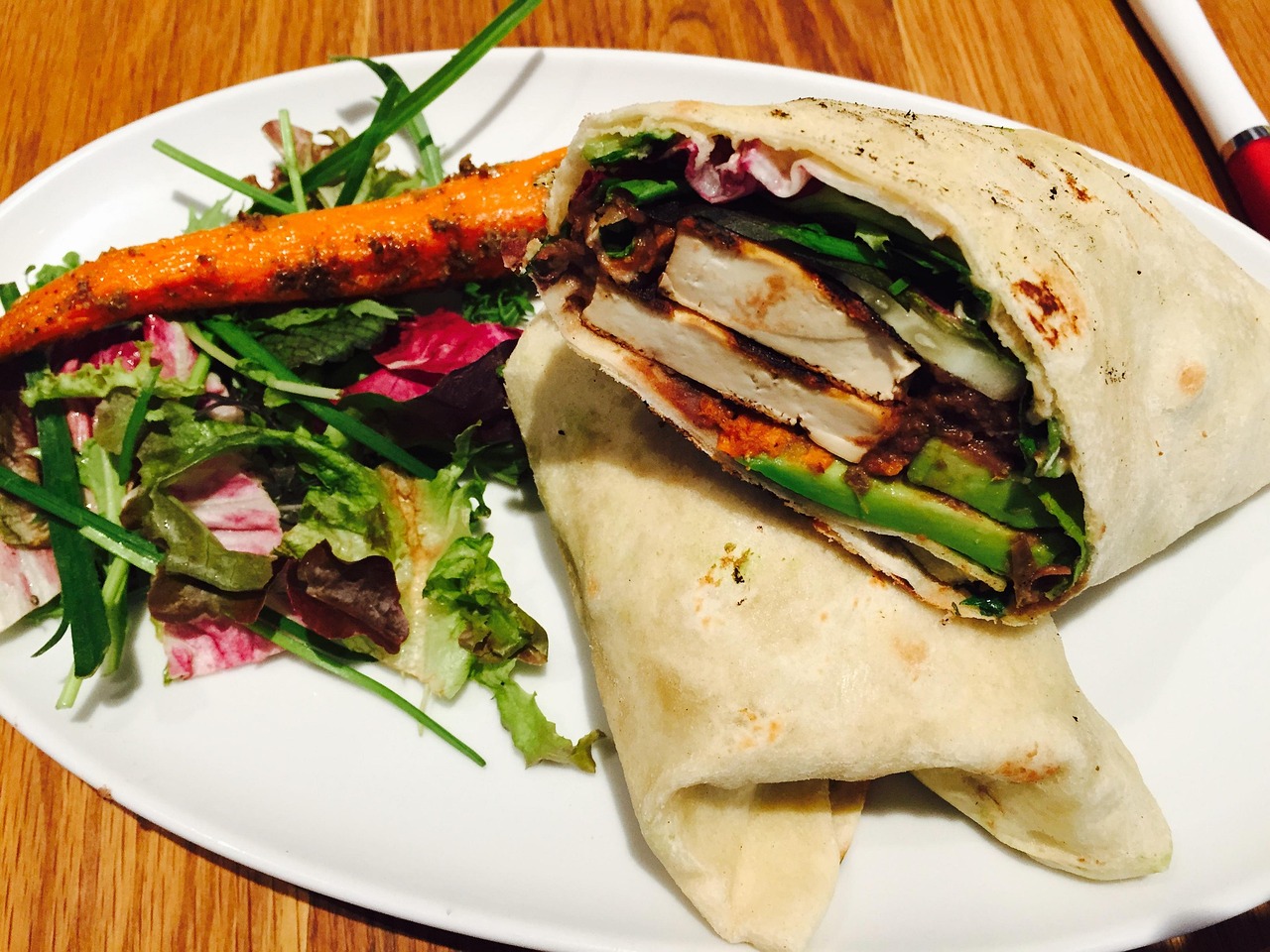
Introduction: Why Plant-Based Eating is Growing in 2025
Switching to a plant-based lifestyle can feel overwhelming at first—but it doesn’t have to be. With the right plan, you can enjoy nutritious, affordable, and flavorful meals every day without stress. Meal prep is the secret weapon that turns healthy intentions into lasting habits.
In this guide, you’ll learn everything you need to start plant-based meal prep—from building a balanced plate and shopping smart to planning weekly menus that save you time, money, and energy. Whether your goal is better health, weight management, or sustainability, this step-by-step resource will help you get there.
What is Plant-Based Meal Prep?
Plant-based meal prep simply means planning, preparing, and storing meals made mostly (or entirely) from plants. This includes:
- Fruits and vegetables
- Whole grains (quinoa, brown rice, oats)
- Legumes (beans, lentils, chickpeas)
- Nuts and seeds
- Plant-based proteins (tofu, tempeh, seitan)
Did you know? A 2024 Harvard study found that people who follow plant-based diets lower their risk of heart disease by up to 30%.
Meal prep ensures that healthy meals are always ready, helping you avoid fast food, reduce food waste, and save time.
Benefits of Plant-Based Meal Prep
1. Saves Time and Energy
Cooking once or twice a week means you don’t have to scramble daily for dinner ideas.
2. Improves Nutrition
Prepping meals in advance helps you balance nutrients and avoid processed snacks.
3. Saves Money
Buying in bulk and sticking to a shopping list reduces impulse purchases.
4. Supports Weight and Health Goals
Having healthy meals on hand makes it easier to control portions and stay consistent.
Step-by-Step Guide to Plant-Based Meal Prep
Step 1: Plan Your Weekly Menu
Start small. Choose 3–4 plant-based recipes you enjoy and repeat them throughout the week. Examples:
- Chickpea curry with rice
- Quinoa and roasted veggie bowls
- Overnight oats with almond butter
- Black bean tacos
Step 2: Create a Smart Shopping List
Organize your grocery list by category:
- Produce: spinach, bell peppers, broccoli, bananas
- Proteins: tofu, lentils, chickpeas
- Grains: brown rice, quinoa, oats
- Snacks: hummus, mixed nuts, fruit
Step 3: Batch Cook
Dedicate 2–3 hours on the weekend to:
- Roast vegetables
- Cook grains and beans
- Prepare sauces and dressings
- Chop fruits for snacks
Step 4: Store Properly
- Use airtight glass containers
- Label meals with dates
- Keep fresh produce in breathable bags to extend shelf life
Sample 3-Day Beginner Meal Plan
Day 1:
- Breakfast: Overnight oats with chia seeds and berries
- Lunch: Lentil soup with whole-grain bread
- Dinner: Tofu stir-fry with brown rice
Day 2:
- Breakfast: Smoothie with spinach, banana, and oat milk
- Lunch: Chickpea salad wrap
- Dinner: Black bean tacos with avocado
Day 3:
- Breakfast: Peanut butter toast with banana slices
- Lunch: Buddha bowl with quinoa, roasted veggies, and tahini sauce
- Dinner: Spaghetti with lentil Bolognese
Practical Tips for Beginners
- Start with familiar foods. Don’t jump straight to complicated recipes.
- Flavor is key. Use spices, herbs, and sauces to keep meals exciting.
- Invest in tools. A good knife, blender, and storage containers make prep easier.
- Stay flexible. If you get bored, swap ingredients without guilt.
Real-World Example: Sarah’s Transformation
Sarah, a 32-year-old marketing professional, switched to plant-based meal prep in 2024 to save time during busy workweeks. Within three months, she:
- Cut her grocery bill by 20%
- Lost 8 pounds without dieting
- Reported higher energy levels during the day
Her secret? “Batch cooking on Sundays and keeping healthy snacks like hummus and carrots ready to grab.”
FAQs
1. Do I need to be 100% vegan to meal prep plant-based meals?
No. You can start by replacing just one meal a day with plant-based options.
2. How long can prepped meals last?
Most cooked plant-based meals last 3–4 days in the fridge and up to a month in the freezer.
3. Is plant-based meal prep expensive?
Not at all. Staples like beans, rice, and oats are budget-friendly, especially when bought in bulk.
4. What about protein?
Legumes, tofu, tempeh, seitan, quinoa, and nuts provide plenty of plant protein.
Conclusion: Your Plant-Based Journey Starts Now
Plant-based meal prep doesn’t need to be complicated. With a bit of planning, you can enjoy delicious, healthy, and affordable meals all week long. Start small, stay consistent, and your body (and wallet) will thank you.
👉 Ready to try meal prep? Share your favorite plant-based recipe in the comments or explore our other healthy living guides.

