

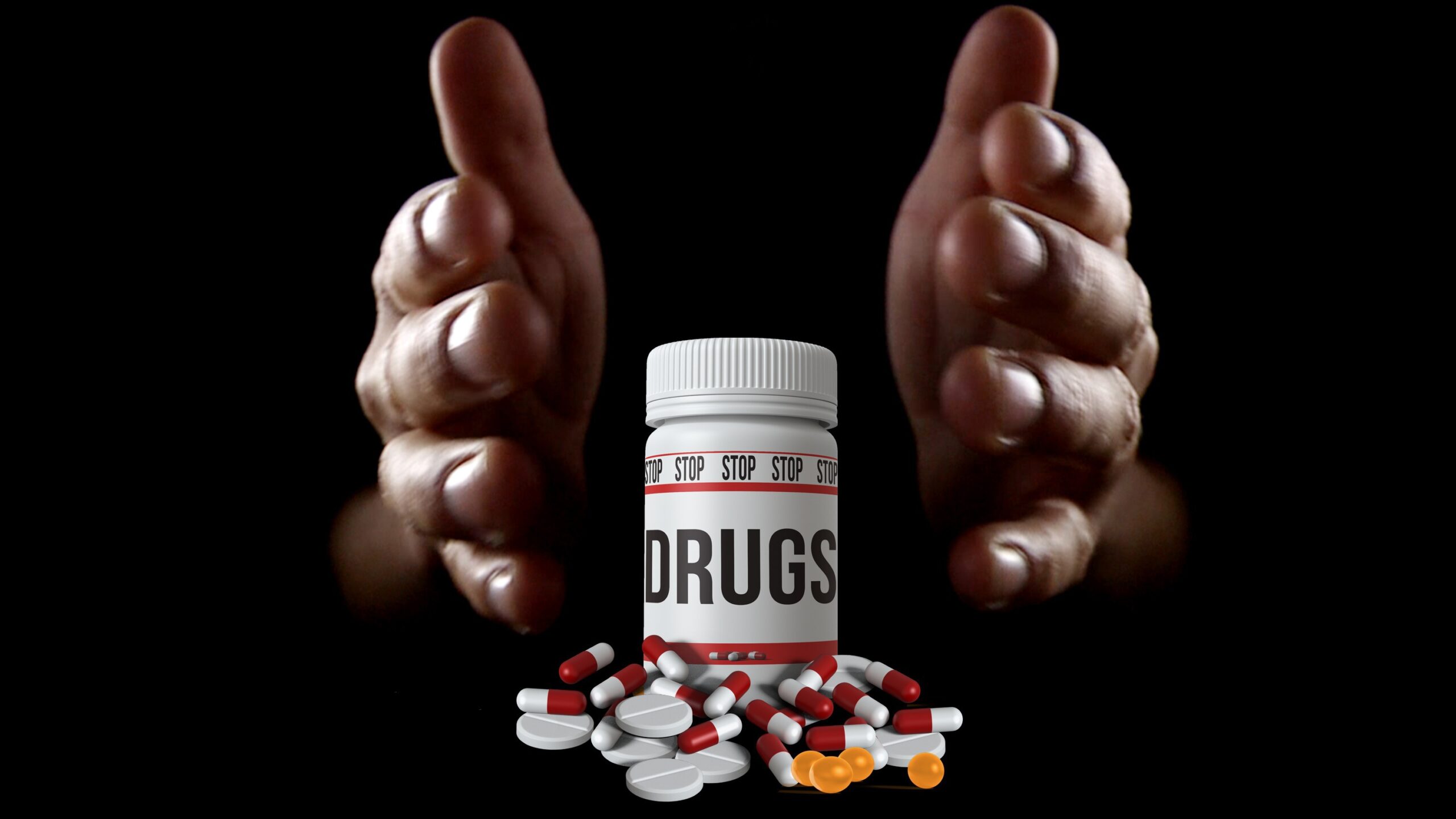
Is Your Community at Risk? 5 Early Warning Signs of Youth Drug Abuse
As parents, teachers, and community members, our greatest wish is to see the young people in our lives grow up healthy, happy, and full of potential. Yet, a silent threat often creeps in, disguised as teenage rebellion or a passing phase. Recognizing the early signs of drug abuse can be the critical difference between timely intervention and a long, painful struggle.
This article outlines five subtle red flags that may indicate a young person is heading toward substance abuse. By understanding these signs, we can move from reaction to prevention, offering support before a casual experiment spirals into addiction.
If you see these signs, it’s not a reason to panic, but a reason to engage with compassion and knowledge. For a deep dive into the root causes, devastating impacts, and a comprehensive community-led solution, we urge you to read our foundational guide: “Beyond the Storm: Reclaiming Kenya’s Future from the Grip of Youth Substance Abuse.”
1. The Shift in Social Circles
One of the most telling early signs is a sudden and unexplained change in friends. If your child or a young person you know abruptly abandons long-term friendships for a new, secretive group, pay attention. This is often coupled with a new, defensive vocabulary—calling their new friends “the only ones who get me” or becoming evasive when asked about them.
Why it matters: Peer pressure is a powerful driver of initial drug use. A new social group that encourages risk-taking can quickly normalize dangerous behaviors.
2. The Erosion of Interests
Has the passionate football player suddenly quit the team? Has the dedicated artist stopped drawing? A marked loss of interest in hobbies, sports, and activities that once brought joy is a major red flag. This isn’t just about boredom; it’s often because substance use is consuming their time, energy, and motivation, rewiring their brain’s reward system.
3. The Decline in Academic Performance
While some academic dips are normal, a sharp and consistent decline in grades, missing assignments, or reports of skipping classes is a cause for concern. This may be accompanied by a loss of concentration, memory issues, and a general apathy towards future goals. The cognitive impairment caused by substances directly targets the ability to learn and succeed in school.
4. Changes in Behavior and Mood
Look for extreme and uncharacteristic shifts:
- Secrecy: Locking doors, being overly protective of their phone, and sneaking out.
- Irritability: Unprovoked anger, extreme sensitivity to criticism, and withdrawing from family interactions.
- Lethargy or Hyperactivity: Unexplained exhaustion or, conversely, periods of frantic, energetic talkativeness.
These mood swings are often a direct chemical result of substance use or the psychological stress of hiding it.
5. The Physical Clues
While more obvious, these signs are sometimes overlooked or explained away:
- Unexplained need for money: Frequently asking for cash with vague reasons or items going missing from the home.
- Change in appearance: A sudden lack of concern about personal hygiene or grooming.
- Unusual smells: Smell of smoke or perfume/cologne used to mask other smells on clothes or breath.
- Finding paraphernalia: Lighters, rolled papers, small plastic bags, or bottles with unknown residues.
What to Do Next: From Observation to Action
Noticing these signs is the first step. Your next step is crucial.
- Don’t Confront, Connect: Choose a calm, private moment to express concern, not accusation. Use “I” statements: “I’ve noticed you seem tired lately, and I’m worried about you.”
- Listen Without Judgment: Create a safe space for them to talk. Your goal is to understand, not to punish.
- Educate Yourself: To effectively help, you need to understand the full scope of the challenge. This includes the societal pressures, economic drivers, and psychological hooks of addiction.
This is where our comprehensive resource comes in.
Your Deeper Guide to Understanding and Action
Knowing the signs is just the beginning. Combating youth drug abuse requires a community-wide understanding of its root causes and solutions.
In this detailed article, “Beyond the Storm: Reclaiming Kenya’s Future from the Grip of Youth Substance Abuse,” we explore:
- The Harsh Data: The sobering statistics on drug abuse in Kenya that every community leader should know.
- The Deeper “Why”: An analysis of the systemic issues—like unemployment and lack of safe spaces—that make young people vulnerable.
- CAHED’s Blueprint: Our proven, four-pillar approach that moves beyond awareness to provide real-world solutions through education, skills training, safe spaces, and compassionate rehabilitation.
- Real Stories of Hope: Powerful testimonials from young people who have walked this path and found their way back through support and youth empowerment programs.
This article is more than just a read; it’s a toolkit for change.
Don’t wait for the storm to hit. Learn how to help build the shelter.
Read the full guide now and become part of the solution.
If you or a young person you know is in immediate crisis, please contact us directly or reach out to NACADA for support. You are not alone in this fight.

