

Introduction
Kenya’s political arena is already buzzing with activity as the 2027 general elections approach. President William Ruto is doubling down on his governance agenda while the opposition scrambles to form a united front. Meanwhile, key voting blocs like the Luhya community could determine the election’s outcome.
This article examines:
✅ Ruto’s aggressive stance against the opposition
✅ Opposition efforts to unite behind a single candidate
✅ The Luhya vote’s influence on 2027 alliances
✅ Key political players and their strategies
1. President Ruto’s Unyielding Stance
President Ruto has intensified his rhetoric against the opposition, framing them as “disorganized and bitter” with no clear policy alternatives.
Key Quotes & Strategy:
- “Their only message is ‘Ruto must go.’ But how does that solve healthcare, education, or agriculture?”
- Positioning himself as a development-focused leader while painting the opposition as reactionary.
- Using state machinery to consolidate support in key regions.
Why This Matters:
Ruto is shaping the narrative early, discouraging opposition momentum before campaigns officially begin.
2. Opposition’s Push for Unity
The opposition is working to avoid past mistakes where a divided vote handed victory to the incumbent.
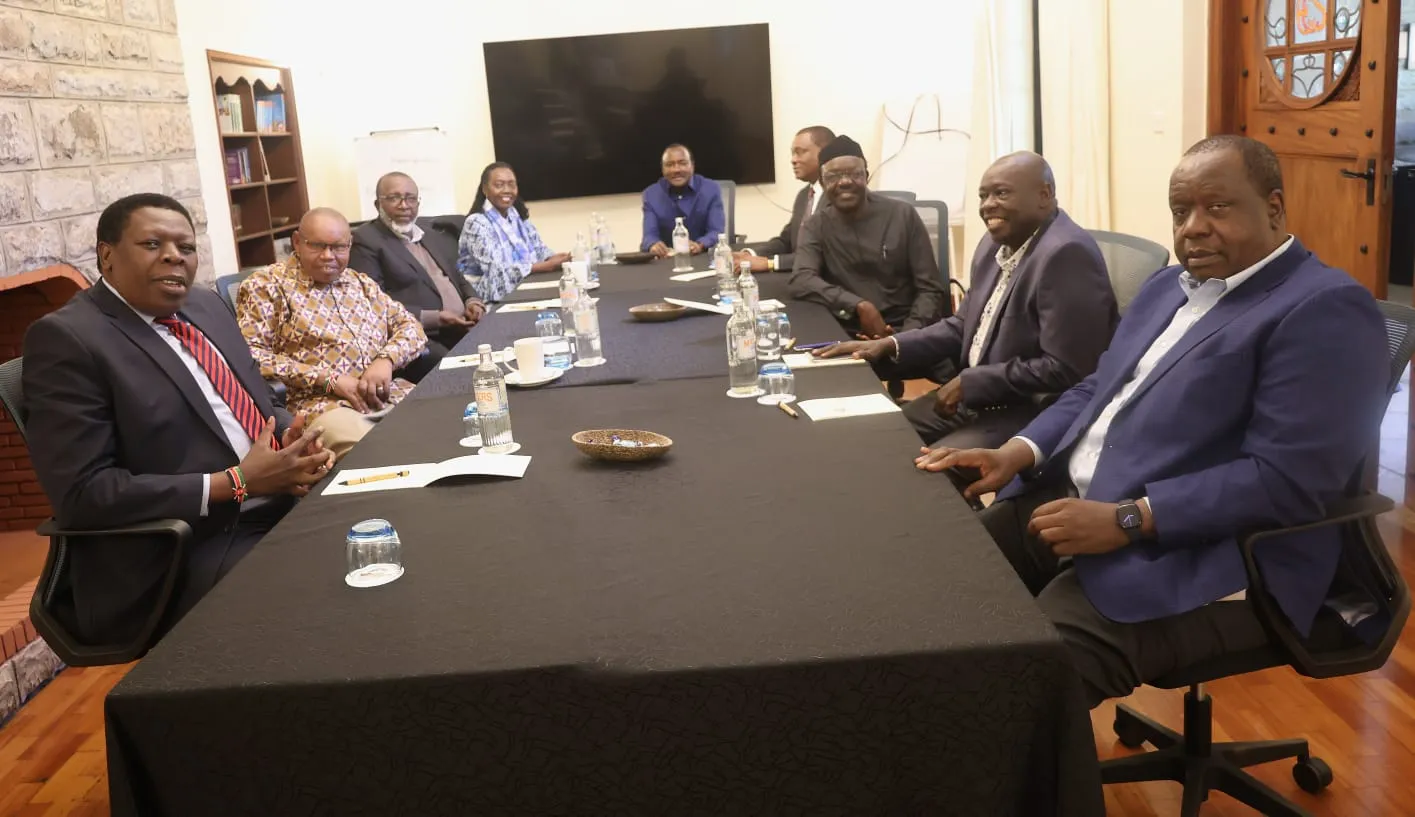
Key Players in Opposition Talks:
| Leader | Political Influence |
|---|---|
| Rigathi Gachagua (ex-DP) | Ruto’s former ally, now opposition negotiator |
| Kalonzo Musyoka (Wiper) | Strong Eastern Kenya support |
| Martha Karua (PLP) | Reformist voice, women & youth appeal |
| Fred Matiang’i (ex-CS) | Brings government experience |
Challenges to Unity:
- Ego clashes – Who will be the flagbearer?
- Power-sharing disputes – Will leaders accept secondary roles?
- Timing – Gachagua suggests delaying the candidate announcement until December 2026 to avoid sabotage.
Opposition’s Best Shot?
A single strong candidate with multi-regional appeal could pose a real threat to Ruto.
3. The Luhya Factor: A Kingmaker Community
The Luhya community (Western Kenya) is a pivotal voting bloc that could swing the election.
Current Dynamics:
- Divided leadership – No single party or leader represents the community.
- Competing alliances – Some leaders lean toward Ruto, others toward the opposition.
- Historical significance – Past elections show that consolidated Luhya support can shift national results.
Possible Scenarios:
- Unity Party Forms – Luhya leaders rally behind one candidate, increasing bargaining power.
- Split Vote – Divided loyalties weaken their influence, benefiting Ruto.
Why It Matters:
If the opposition secures Luhya support, they gain a critical advantage. If Ruto retains influence, his re-election chances rise.
4. Key Takeaways & What to Watch
Ruto’s Game Plan:
✔ Discredit opposition early
✔ Leverage incumbency advantage (development projects, state resources)
✔ Secure swing regions (Western, Coast)
Opposition’s Path to Victory:
✔ Avoid fragmentation – One strong candidate is crucial.
✔ Woo Luhya & Mt. Kenya voters – These blocs can make or break the election.
✔ Offer a compelling alternative – Beyond “Ruto Must Go,” they need policy solutions.
Wildcards to Watch:
- Youth vote – Will Gen Z rally behind an opposition candidate?
- Economic conditions – If inflation/jobs worsen, Ruto becomes vulnerable.
- Coalition stability – Can opposition leaders stay united?
Conclusion: A High-Stakes Political Battle
The 2027 elections will be one of Kenya’s most fiercely contested. Ruto’s strongman tactics vs. opposition unity efforts will define the race, with the Luhya vote playing a decisive role.
What’s Next?
- More opposition meetings to solidify alliances.
- Ruto’s counter-moves (possible Cabinet reshuffles, new projects).
- Regional kingmakers (Luhya, Mt. Kenya) positioning for influence.
📢 Who do you think will win in 2027? Share your predictions!

