

Introduction
Kenya, a land of stunning landscapes and diverse cultures, has a history that spans millions of years, from the dawn of humanity to its rise as a regional powerhouse. This journey—marked by migrations, colonialism, resistance, and nation-building—has shaped Kenya into the vibrant country it is today.
1. The Dawn of Humanity & Early Settlements (Pre-18th Century)
🏞 Kenya: The Cradle of Humankind
- The Great Rift Valley is home to some of the oldest human fossils, discovered at Koobi Fora and Olorgesailie.
- Early tools and remains suggest Kenya was a key region in human evolution.
🌍 Migrations & Early Communities
- Bantu, Nilotic (Luo, Maasai, Kalenjin), and Cushitic groups settled in Kenya.
- They established trade networks along the coast, connecting with Arab and Persian traders.
- Swahili culture emerged from these interactions, blending African, Arab, and Islamic influences.
2. European Colonization & British Rule (Late 19th Century – 1963)
🚂 The Scramble for Africa & British Takeover
- In 1895, Britain declared Kenya the East Africa Protectorate.
- The Uganda Railway (1896-1901), nicknamed the “Lunatic Express”, was built to secure British control.
🏡 Settler Economy & Land Dispossession
- White settlers took over the fertile highlands, displacing Kikuyu and Maasai communities.
- Africans were forced into reserves and subjected to forced labor (Kipande system).
⚔ Early Resistance Movements
- Leaders like Koitalel Arap Samoei (Nandi) fought against colonial rule.
- Growing discontent led to organized political activism.
3. The Mau Mau Uprising & Road to Independence (1940s-1963)
✊ Rise of Kenyan Nationalism
- The Kenya African Union (KAU), led by Jomo Kenyatta, demanded self-rule.
- British resistance fueled anger, especially among the Kikuyu, Embu, and Meru.
🔫 Mau Mau Rebellion (1952-1960)
- A guerrilla war broke out against British rule.
- Britain declared a State of Emergency, detaining thousands (including Kenyatta) in camps.
- Though crushed, the rebellion forced Britain to negotiate independence.
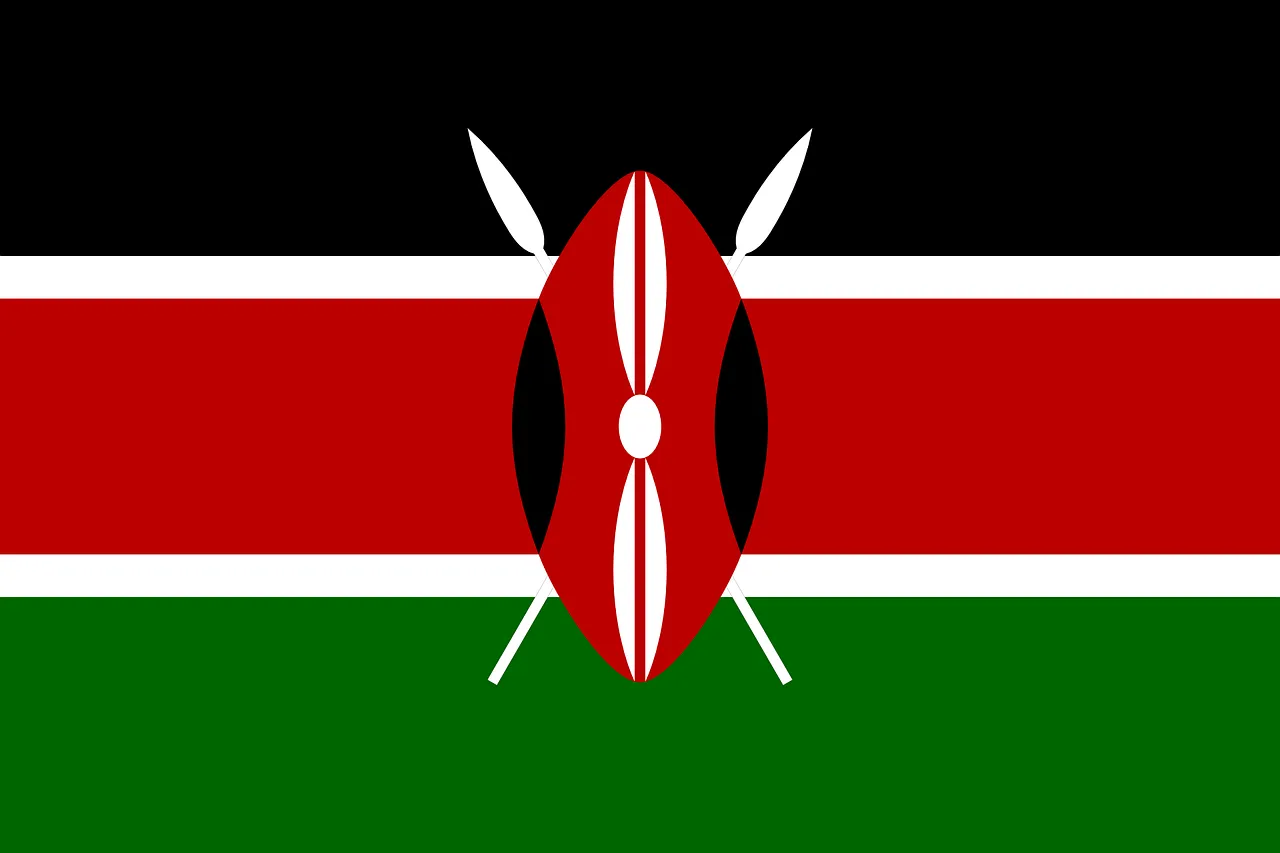
🇰🇪 Independence Achieved (1963)
- Kenya gained independence on December 12, 1963.
- Jomo Kenyatta became the first Prime Minister (later President).
4. Nation-Building & Early Independence (1960s-1970s)
🤝 Harambee Policy: “Pulling Together”
- Kenyatta promoted national unity and self-reliance.
- Investments in education, infrastructure, and agriculture boosted growth.
🏛 Kenyatta’s Leadership & Challenges
- Kenya remained stable but saw rising ethnic tensions.
- Power became centralized under KANU (Kenya African National Union).
5. Moi’s Era & Multi-Party Democracy (1978-2002)
👑 Daniel Arap Moi Takes Over (1978)
- Ruled for 24 years under KANU’s one-party system.
- His rule saw human rights abuses, corruption, and economic struggles.
🗳 Fight for Multi-Party Democracy
- Pressure from activists and Western nations led to multi-party elections in 1991.
- Moi won controversial elections in 1992 & 1997.
6. Kibaki’s Presidency & 2007 Post-Election Crisis (2002-2013)
🎉 End of KANU Rule (2002)
- Mwai Kibaki (NARC coalition) won, marking Kenya’s first peaceful power transfer.
- Introduced free primary education and economic reforms.
🔥 2007 Post-Election Violence
- Disputed elections led to ethnic clashes, 1,000+ deaths, and mass displacement.
- A power-sharing deal (Kibaki as President, Raila Odinga as PM) restored peace.
7. The 2010 Constitution & Modern Kenya
📜 A New Constitution (2010)
- Introduced devolution (county governments), a Bill of Rights, and anti-corruption measures.
📱 Economic Growth & Challenges
- M-Pesa revolutionized mobile banking.
- Corruption, unemployment, and climate change remain key issues.
Conclusion: Kenya’s Resilience & Future
Kenya’s history is a story of struggle, resilience, and progress. From ancient civilizations to colonialism, independence, and modern challenges, each phase has shaped its identity.
Today, Kenya stands as a regional leader in tech, democracy, and innovation, yet must still tackle governance, inequality, and sustainability.

